
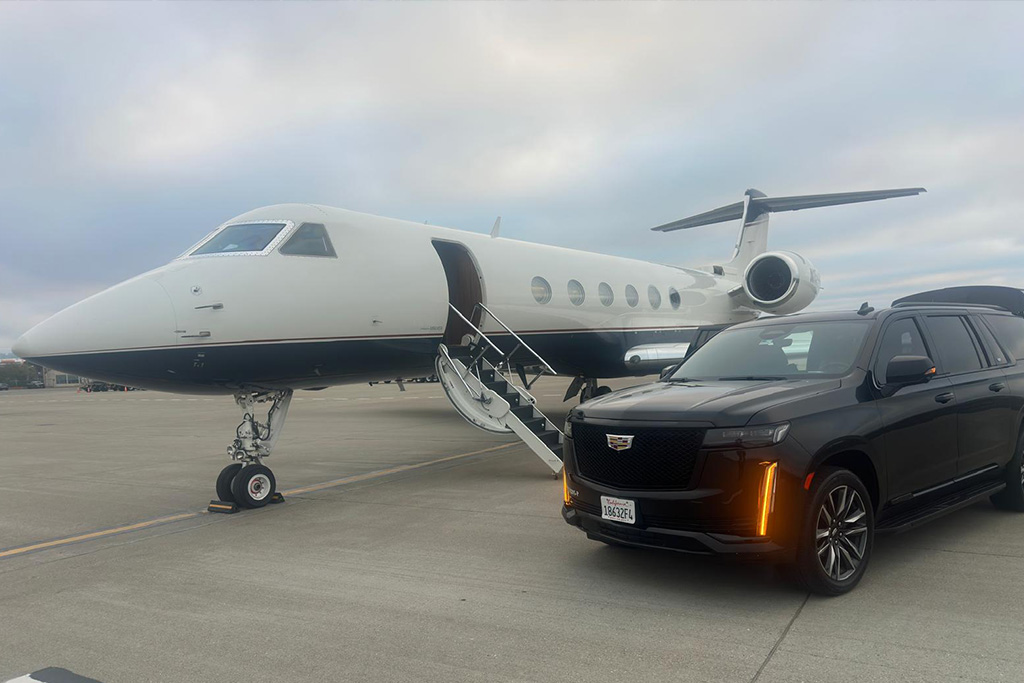
After a long flight, the difference between a smooth arrival and a frustrating one usually comes down to what happens in the first 15 minutes after landing. This guide to airport meet and greet is for travelers who want those minutes handled well – whether you are flying in for meetings, arriving with children, or coordinating transportation for a client, parent, or VIP guest.
Airport meet and greet is not just a nicer version of curbside pickup. Done properly, it is a managed arrival service. Your chauffeur or airport greeter tracks the flight, times the pickup around actual arrival, meets the traveler at an agreed point, assists with luggage, and helps move the transfer along without the usual confusion around terminals, baggage claim, and pickup zones.
For travelers using major airports like SFO, that kind of structure matters. Airports are busy, curb access can be tight, and rideshare pickup areas are not always intuitive, especially after a delayed flight or late-night arrival. Meet and greet reduces the number of decisions the traveler has to make when they are already tired, pressed for time, or managing a group.
What airport meet and greet actually includes
The phrase means different things depending on the provider, so expectations matter. In most premium chauffeur services, meet and greet means the driver parks, enters the terminal where permitted, and waits at a prearranged meeting point, often near baggage claim or arrivals. The traveler is welcomed by name, helped with bags, and escorted to the vehicle.
That sounds simple, but the value is in the coordination behind it. Flight tracking allows the pickup timing to adjust if the plane lands early or late. Commercial airport access means the provider is operating with the right permissions rather than improvising. For the passenger, it feels calm because someone else is managing the details.
Some services offer curbside only, which can work well for light travelers who know the airport and want the fastest possible exit. Others include inside-terminal greeting as the standard option for premium bookings. Neither approach is universally better. It depends on the traveler, the amount of luggage, the terminal layout, and whether the goal is speed, assistance, or a polished arrival experience.
Who benefits most from a guide to airport meet and greet
Business travelers are usually the first group that comes to mind, and for good reason. If you are landing and heading straight to meetings, you do not want to spend time sorting through pickup instructions, waiting in the wrong zone, or searching for a driver in heavy airport traffic. Meet and greet keeps the handoff direct and professional.
Families also benefit more than they often expect. Parents traveling with strollers, car seats, and extra bags have a very different arrival experience than a solo flyer with a carry-on. Having someone meet you, help with luggage, and guide you to the right vehicle removes a real layer of stress.
This service is also useful for older travelers, first-time visitors, and guests arriving for weddings, private events, or corporate functions. When someone is unfamiliar with the airport or the city, the reassurance matters. It is not only about luxury. It is about reducing uncertainty.
For executives and client pickups, presentation plays a role too. A well-executed meet and greet reflects well on the person arranging the transportation. It shows planning, attention to detail, and respect for the guest’s time.
How the process usually works
Booking starts with the basics: flight number, arrival airport, terminal details if known, passenger count, luggage estimate, and final destination. These details are more important than they sound because they affect both timing and vehicle selection. A sedan may be ideal for one executive with a briefcase and one suitcase, while a family arriving with multiple checked bags may need an SUV with more cargo room.
Before arrival, the transportation provider monitors the flight status. This is one of the biggest advantages of a professional chauffeur service over a loosely coordinated pickup. If the flight is delayed, the pickup can be adjusted without a chain of last-minute texts.
Once the traveler lands, the next step depends on the service level. With true meet and greet, the driver or greeter is inside the terminal or at a designated arrivals area, typically holding a name sign or providing a clearly confirmed meeting point in advance. With curbside service, the passenger collects bags first and then heads to the designated pickup area once contacted.
After the meeting, luggage is handled and the passenger is escorted to the vehicle. In a premium service, that final step is meant to feel orderly and efficient, not rushed. The best providers make the airport exit feel simple, even when the airport itself is not.
What to ask before you book
A guide to airport meet and greet should include one practical truth: not every service that uses the term delivers the same experience. A few questions upfront can prevent disappointment.
First, ask whether the driver meets the passenger inside the terminal or only at the curb. If inside pickup matters to you, that should be confirmed clearly. Second, ask about flight tracking and waiting time. Delays happen daily, and you want to know how they are handled.
It also helps to confirm commercial insurance and airport permits. For airport pickups, professionalism is not just about the vehicle being clean and the driver being courteous. It is also about legal access, compliance, and familiarity with airport operations.
Vehicle fit is another detail worth clarifying. A premium fleet sounds appealing, but the right choice depends on who is traveling and how much they are carrying. A luxury sedan may be perfect for a solo airport transfer. A larger SUV makes more sense for families, small groups, or travelers with oversized luggage.
Finally, ask how communication is handled once the plane lands. The best arrival experiences are built on simple instructions, timely updates, and a clear backup plan if the traveler’s phone is not immediately reachable.
Common situations where meet and greet is worth it
There are times when this service moves from nice to have to genuinely useful. Late-night arrivals are one. After a cross-country or international flight, most travelers are not at their best. Decision fatigue is real, and airport logistics feel harder when you are tired.
Early-morning business arrivals are another strong case. When the schedule is tight, saving time at the airport has real value. The same is true when you are sending a car for an executive, investor, or key client. A polished pickup protects the day’s momentum.
Meet and greet also earns its keep during event travel. Wedding guests, speakers, performers, and private groups often arrive on staggered schedules and need dependable coordination. In these cases, transportation is part of the event experience, not just a ride.
In the Bay Area, airport traffic patterns can change quickly, especially around SFO and San Jose. A provider that knows the local airports, monitors flights, and manages arrival timing professionally can save more hassle than many travelers expect.
The trade-off: premium service versus basic pickup
Meet and greet usually costs more than a standard curbside ride, and that is reasonable to weigh. If you travel light, know the airport well, and are arriving at a quiet time, a simpler pickup may be enough.
But the lower-cost option often shifts the burden back to the traveler. You may need to walk farther, wait longer, coordinate by phone in a noisy terminal, or stand in a crowded pickup zone. For some people, that is acceptable. For others, especially those booking for family, clients, or important arrivals, it defeats the point of planning ahead.
Premium transportation is really about control. You are paying for timing, accountability, comfort, and a more managed experience from terminal to destination. That becomes more valuable when the traveler cannot afford confusion, delay, or a poor first impression.
A company like Shalom USA Limo Company builds that value around active flight tracking, airport-ready service, and vehicle options that fit different passenger and luggage needs. That matters because airport transportation works best when the service is designed around the trip, not forced into a one-size-fits-all model.
Choosing the right level of arrival support
If you are booking for yourself, think about how you actually travel, not how you hope the day will go. If you tend to travel with one bag and move quickly, curbside may be fine. If you are traveling with children, coordinating a client pickup, or landing after a demanding flight, meet and greet is usually worth the upgrade.
If you are booking for someone else, lean toward clarity and support. A traveler who feels looked after is less likely to call with last-minute questions, less likely to get lost in the terminal, and more likely to start the trip in a good frame of mind. That is good service, but it is also good planning.
The best airport arrival is the one that feels easy for the passenger. When timing is tight, comfort matters, or the details need to be right the first time, meet and greet turns a crowded airport into a far more manageable place.